Table of Contents
- How Serious Is Water Damage? A Severity Scale That Answers the Question
- Signs of Serious Water Damage You Should Never Ignore
- What to Do After Water Damage: Immediate Actions and a Response Timeline
- How Long Does Water Damage Take to Dry? Deadlines and Moisture Measurement
- Water Damage Health Risks: Mold, Dampness, and Indoor Air Quality
- Documenting Damage for Insurance: What Adjusters Actually Need
- Conclusion: When to Call a Certified Restoration Professional
- Frequently Asked Questions
Last Updated: October 14, 2026
How Serious Is Water Damage? A Severity Scale That Answers the Question
Water damage is the intrusion of water into a home or building where it doesn’t belong, and how serious it is depends on two things: how contaminated the water is and how much space it covers. A small clean-water leak can be a minor repair. Standing sewage across a whole floor can mean weeks of work and thousands of dollars in repairs.
The difference usually comes down to how fast someone acted.
This guide breaks water damage into a simple severity scale. You’ll learn what each level means, the warning signs to watch for, and the exact steps to take next.
Category 1, 2, and 3 Water: What Each Means for Your Home
The restoration industry sorts water into three categories. The category tells you how dangerous the water is, not how much of it there is.
- Category 1 (clean water): This comes from a safe source, like a supply line or a rain leak. It’s the least serious, but only if you dry it within a day or two.
- Category 2 (gray water): This water carries some contamination. Think washing machine overflow or a toilet bowl leak without solid waste. It can cause illness if you touch it.
- Category 3 (black water): This is grossly contaminated. Sewage backups, flooding from rivers, and ground surface water all fall here. It requires professional cleanup.
Here’s the part most people miss: water doesn’t stay in one category. Clean water sitting for a couple of days grows bacteria and becomes Category 2. Left longer, it turns into Category 3. Time changes the answer to “how serious is water damage?”
Affected Area: When Square Footage Changes the Answer
Size matters as much as category. A wet spot under a sink is a weekend project. Water across 300 square feet or more usually means calling a pro.
Use this rough scale:
| Severity | Water Category | Area Affected | Typical Response |
|---|---|---|---|
| Low | Category 1 | Under 10 sq ft | DIY drying, 24-48 hours |
| Moderate | Category 1-2 | 10-100 sq ft | Fast drying, watch for mold |
| High | Category 2-3 | Over 100 sq ft | Professional remediation |
| Severe | Any category | Multiple rooms or structural | Emergency restoration team |
The table is a starting point, not a rulebook. A small Category 3 spill is still serious. A large Category 1 leak caught in an hour is often manageable.
Severity is a mix of water category, square footage, and time. Clean water left for three days is more dangerous than dirty water cleaned up the same day.
Signs of Serious Water Damage You Should Never Ignore
Serious water damage shows up in visible clues and hidden spots. Some signs, like a brown ceiling stain, are obvious. Others, like a soft spot behind a baseboard, stay out of sight until the damage is deep.
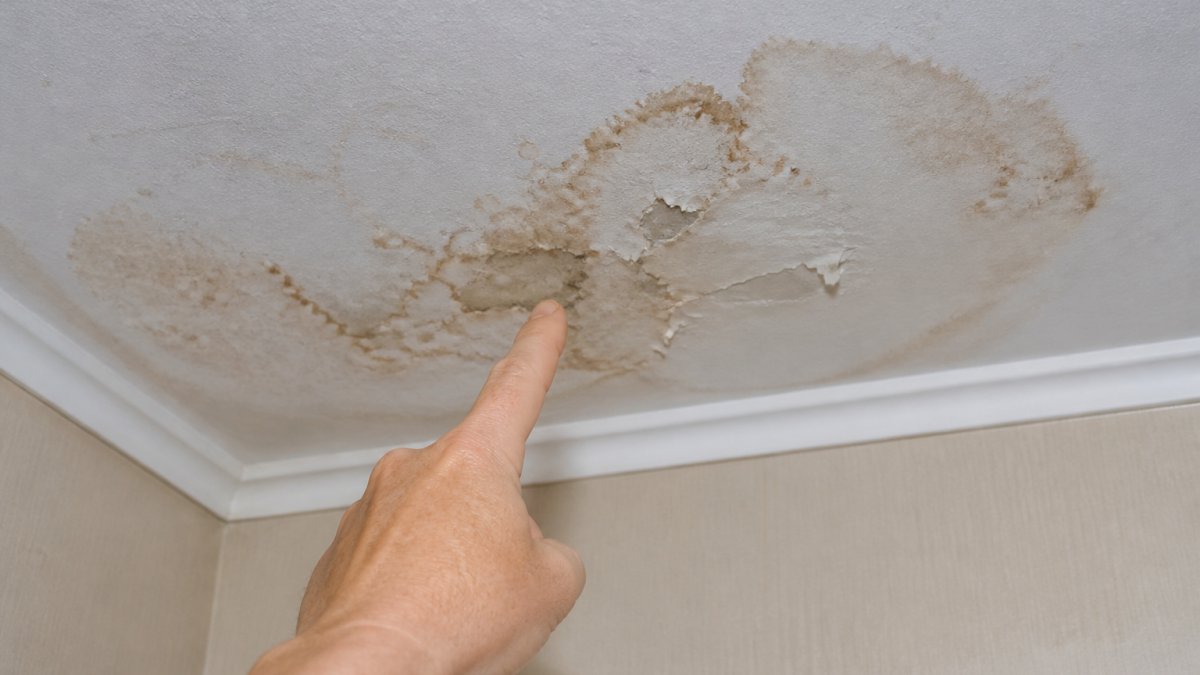
Visible Clues: Stains, Warped Floors, and Peeling Paint
Your eyes catch most problems first. Watch for these signs of serious water damage:
- Water stains: Yellow, brown, or copper rings on ceilings and walls. A brown stain often means the leak has been running a while.
- Warped or buckling floors: Wood and laminate swell when wet. Cupping, crowning, and soft spots all point to moisture below.
- Peeling or bubbling paint: Paint traps water against drywall. Bubbles and cracks mean the wall is holding moisture.
- Peeling wallpaper: Loose seams and curling edges signal damp drywall behind the paper.
- Shifting windows and doors: Swollen frames make doors stick. That’s a structural warning, not a cosmetic one.
Hidden Water Damage: Where to Look Before It Spreads
Hidden water damage hides in places you don’t check often. Look behind the fridge, under the sink, and inside cabinets. Check the attic for dark roof sheathing and the basement for damp concrete.
Other spots to inspect:
- Around the water heater and HVAC unit
- Under bathroom and kitchen flooring
- Inside walls near exterior hose bibs
- Ceiling tiles in commercial spaces
A musty smell with no visible water is a red flag. Trust your nose and call a pro. Our IICRC-certified team uses advanced moisture detection technologies to find water you can’t see.
Ignoring a small stain can turn a minor repair into a full wall replacement. Water spreads sideways and down through drywall and framing, so the visible spot is often just the tip.
What to Do After Water Damage: Immediate Actions and a Response Timeline
What you do in the first hour matters most. Shut off the water source if you can, then cut the power to wet areas at the breaker. Call your insurance company and start documenting.
Follow this timeline:
- First hour: Stop the water, kill the power, and move valuables to dry ground.
- First 24 hours: Start drying with fans and a dehumidifier. Photograph everything.
- Days 2-3: Watch for mold. It can start within 24 to 48 hours in damp conditions.
- Day 4 onward: If moisture remains, bring in a professional team.
The EPA guide on mold cleanup recommends drying wet materials within 24 to 48 hours to stop mold growth.
DIY Cleanup vs. Professional Remediation: How to Decide
Small Cat-1 spills are often fine to handle yourself. Category 2 and 3 water, or anything over 100 square feet, needs a pro.
Choose professional help when:
- Water came from a toilet, sewer, or outdoor flooding
- You smell musty odors or see mold
- Walls, ceilings, or floors feel soft
- The area has been wet more than 48 hours
DIY is a good fit for a fresh, clean-water spill on a hard surface. Anything else, call in a certified team. We handle water damage and mold remediation under one roof.
How Long Does Water Damage Take to Dry? Deadlines and Moisture Measurement
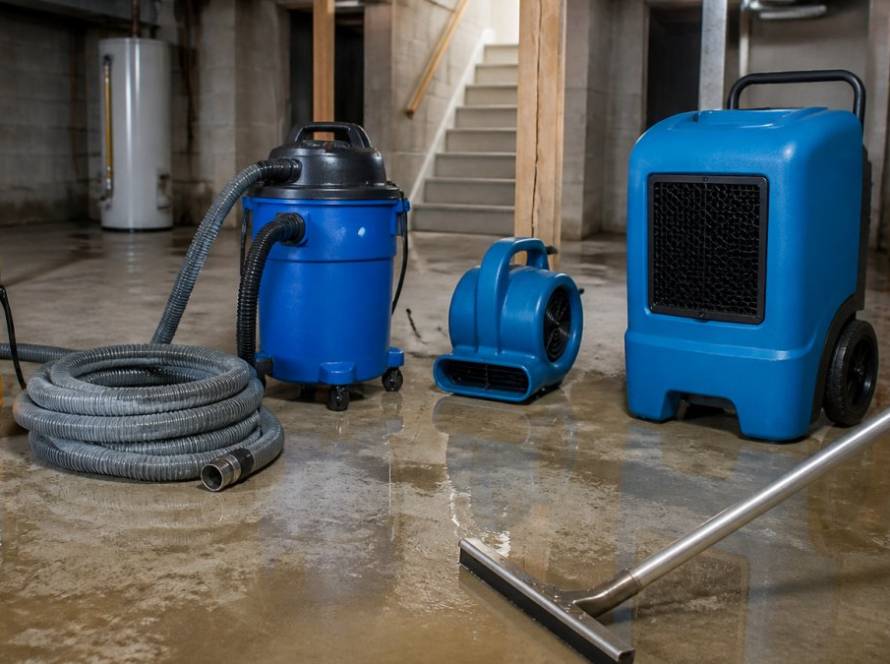
Most water damage dries in 3 to 5 days with professional air movers and dehumidifiers running continuously. Thick or porous materials take longer: hardwood and dense drywall can run 5 to 10 days, and concrete slabs may take weeks. Humidity, airflow, temperature, and the size of the spill all shift the timeline.
The deadline that matters is mold. Mold spores are already present in most indoor environments and only need moisture to colonize. Under warm, damp conditions, visible growth can appear within 24 to 48 hours, which is why the first two days drive the whole response.
Why Visible Dryness Is Not Dryness
A surface can feel dry to the touch while the material behind it is still saturated. Water migrates sideways and downward through drywall, framing, and subfloor, so the wet core often sits well outside the visible stain. Paint and finish also seal moisture in, which is why a wall can look and feel normal while the drywall paper and studs behind it stay damp. Closing a project on appearance alone is the most common reason mold returns months later.
How Moisture Is Actually Measured
Professionals confirm dryness with readings, not eyesight. The common tools:
- Pin-type moisture meters: Drive two pins into wood or drywall and read the water content as a percentage. Useful for tracking a specific material over time.
- Pinless (scanning) meters: Non-invasive; swept over a surface to find elevated moisture without leaving holes. Good for mapping the wet zone.
- Thermal imaging cameras: Detect cooler surface areas that suggest evaporative cooling from hidden moisture. They point you to where to meter; they do not measure moisture directly.
- Thermo-hygrometers: Measure the temperature and relative humidity of the air so the drying equipment can be adjusted and the space confirmed to be returning to a dry baseline.
A dry standard is established first by taking readings in an unaffected, comparable part of the structure. The wet area is then dried until its readings match that baseline. That comparison, not a calendar, is what tells you the job is done.
What a Real Dry-Out Looks Like
A typical professional dry-out involves daily monitoring: readings logged at each visit, equipment repositioned as materials dry, and the job closed only when moisture content and humidity match the dry standard. If a contractor tells you the space is dry without showing numbers, ask for the readings.
Ask your restoration team to show you the moisture readings before and after, taken in the same spots. A real dry-out has numbers to prove it, not just a visual check.
Do not run a household fan and call it drying. Air movement without dehumidification can spread moisture into unaffected rooms and raise indoor humidity, which slows drying and feeds mold.
Water Damage Health Risks: Mold, Dampness, and Indoor Air Quality
Water damage health risks go beyond mold. Dampness alone can trigger breathing problems, allergies, and asthma symptoms. The CDC information on mold and dampness links indoor dampness to respiratory issues, especially in kids and older adults.
Watch for these concerns:
- Mold growth: Releases spores that irritate lungs and eyes
- Respiratory concerns: Coughing, wheezing, and shortness of breath
- Slippery surfaces: Wet floors cause falls, especially on stairs
- Electrical hazards: Water near outlets and panels raises shock risk
- Weak structures: Soft floors and sagging ceilings can fail
Anyone with asthma or a weakened immune system should stay out of a damp space until it’s dry and clean.
Documenting Damage for Insurance: What Adjusters Actually Need
A strong claim starts with good records. Photograph every wet area before you move anything. Note the date, time, and cause of the leak.
Gather these items:
- Photos and video of all damage
- Receipts for damaged items
- A written timeline of events
- Contractor estimates and moisture reports
Adjusters want proof, not guesses. We document the loss with moisture readings, photos, and a clear scope of work. That record helps show the full extent of the water damage.
Conclusion: When to Call a Certified Restoration Professional
The honest answer to “how serious is water damage?” is: it depends on category, size, and time. A small clean spill is a quick fix. Sewage, flooding, or anything wet for days is a job for a pro.
When in doubt, call. Sentinel Restoration brings IICRC-certified crews, advanced moisture detection, and decades of experience to every job. We restore your property to its pre-loss condition and handle water damage and mold remediation together. Contact us to schedule an inspection.
Frequently Asked Questions
How do you know if water damage is serious?
Water damage is serious when it involves Category 2 or 3 water (contaminated sources like sewage or floodwater), covers more than roughly 10 square feet, or has been sitting for over 24 to 48 hours. Warning signs include sagging ceilings, warped or buckling floors, a musty smell, and visible mold growth. If you see any of these, call a certified restoration professional rather than waiting to see if it improves.
Can water damage go away on its own?
No. Water damage does not resolve on its own, even if surfaces feel dry to the touch. Moisture trapped inside drywall, insulation, and wood framing continues to cause damage and can lead to mold growth within 24 to 48 hours. Without proper drying equipment and moisture measurement, hidden water damage worsens over time and can compromise structural integrity.
How quickly can water damage lead to mold?
Mold can begin growing within 24 to 48 hours of water intrusion, and visible colonies often appear within 7 to 10 days. Dampness, warm indoor temperatures, and organic materials like drywall paper and wood framing accelerate growth. Because mold spores spread through the air, addressing water damage health risks early with professional drying and, if needed, mold remediation is far less costly than waiting.
What should you do first after discovering water damage?
First, shut off the water source if possible and cut power to affected areas at the breaker to avoid electrical hazards. Then document everything with photos and video for your insurance claim, move valuables away from wet areas, and call a certified restoration company. Avoid walking on slippery surfaces or disturbing moldy materials. Prompt action within the first 24 hours significantly reduces the severity of water damage.