Table of Contents
- How to Match Water Extraction Equipment to Your Flood
- Water Depth, Water Type, and Basement Size
- Flooded Basement Water Pump: Submersible Pumps and Portable Flood Pumpers
- Wet Vacuum for Flooded Basement: What a Shop Vac Can and Cannot Do
- Basement Dehumidifier After Flooding: Closing the Drying Gap
- Water Damage Drying Equipment: Air Movers, Scrubbers, and Moisture Checks
- Rent or Buy Water Extraction Equipment? Costs and Power Requirements
- Safety Checks and Common Mistakes During Basement Flood Cleanup
- Frequently Asked Questions
Last Updated: October 14, 2026
How to Match Water Extraction Equipment to Your Flood
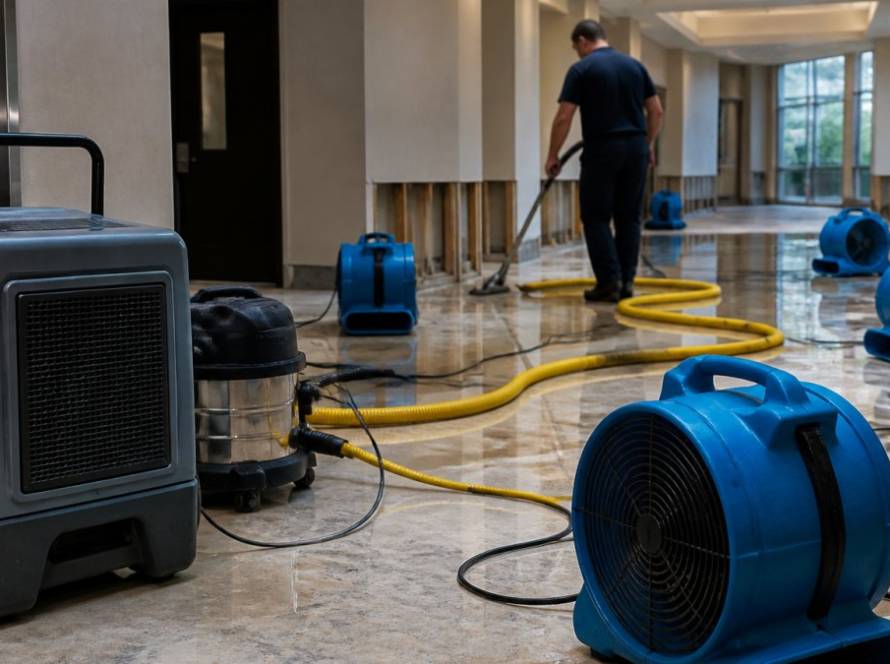
Water extraction equipment for a flooded basement is not one machine but a set of tools matched to how deep the water sits, what kind of water it is, and how large the flooded space is. At Sentinel Restoration, our IICRC-certified team understands that the right machine for a two-inch seep is the wrong machine for a foot of backed-up groundwater. The FEMA guidance on flood water cleanup makes the same point about matching method to water condition before anyone wades in.
Water extraction equipment is the combination of pumps, wet vacuums, extractors, dehumidifiers, and air movers used to remove standing water and dry a flooded basement before mold can take hold. Mold can begin colonizing wet materials within 24 to 48 hours, so the sequence matters as much as the tools.
Below, we break down each category, what it handles, and where it falls short, so you can choose correctly before you spend a dollar.
Water Depth, Water Type, and Basement Size
Most equipment guides tell you to “match the tool to the job” and stop there. That advice is useless at 2 a.m. when your basement is filling.
Step 1: Measure the depth at its deepest point. Water pools unevenly, so check near the floor drain, the low corner, and the base of the stairs.
- Under 1 inch (a seep or slow intrusion): a wet/dry vacuum handles the entire job. No pump needed.
- 1 to 2 inches: a wet/dry vacuum still works, but you will empty the tank repeatedly. A small submersible pump is faster if you have a discharge point.
- 2 inches to 2 feet: this is pump territory. A submersible utility pump or a portable flood pumper moves the bulk, and the wet/dry vacuum finishes the last inch.
- Over 2 feet, or water still rising: do not enter. Call a professional. At this depth the structural risk and the volume both exceed what homeowner equipment can safely manage.
Step 2: Identify the water type before you touch anything. The categories come from the IICRC’s water damage standard, and they change your entire approach.
- Category 1 (clean): supply line, water heater, or rainwater intrusion. Safe to handle with homeowner equipment.
- Category 2 (gray): washing machine discharge, dishwasher overflow, or toilet water with no solids. Wear gloves and boots, and disinfect afterward.
- Category 3 (black): sewer backup, groundwater rising through the floor, or any water that has sat long enough to grow bacteria. Stop. Do not run a shop vac. Category 3 water requires professional extraction, disposal, and antimicrobial treatment, and the materials it touched often have to be removed rather than dried.
Step 3: Estimate the square footage to size your drying equipment. Extraction removes the standing water; drying equipment removes the moisture left behind. The two are sized differently.
- Up to 500 square feet: one dehumidifier in the 50- to 70-pint range and three to four air movers is a common starting setup.
- 500 to 1,000 square feet: two dehumidifiers and six to eight air movers, positioned to create a circular airflow pattern around the room.
- Over 1,000 square feet, or a finished basement with drywall and carpet: stage the equipment. Run extraction first, then bring in drying equipment in zones rather than trying to dry the whole space at once.
Never operate a standard household vacuum or a shop vac rated only for dry pickup in standing water. The motor shorts, and you risk shock in a flooded space. This applies even to shallow water, the risk is the water reaching the motor, not the depth.
The single most common sizing mistake is undersizing the dehumidifier. A small household unit in a large flooded space runs continuously, never catches up, and gives you a false sense that the job is progressing. Match the pint rating to the room size, and verify with a moisture meter rather than by touch.
Flooded Basement Water Pump: Submersible Pumps and Portable Flood Pumpers
A flooded basement water pump does the heavy lifting that vacuums cannot.
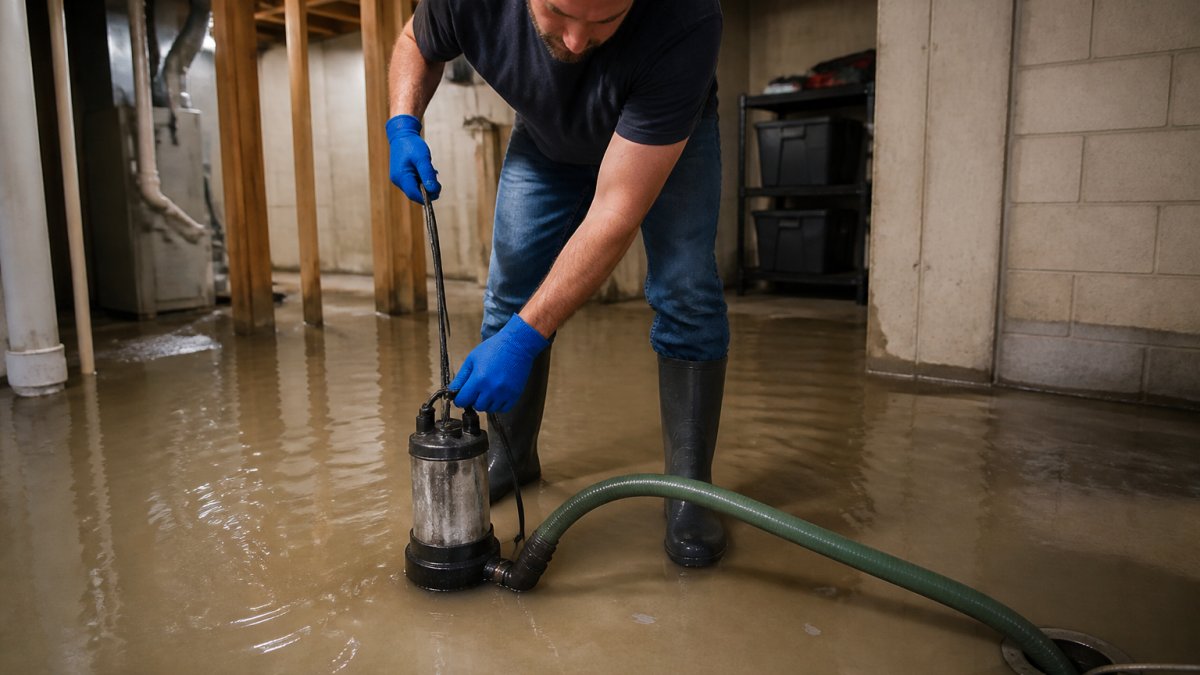
Submersible pumps win on simplicity. Drop one in, run the hose to a drain or outside, and let it work. Portable flood pumpers win on speed and debris tolerance, which matters when the water carries silt or small solids.
Before you start any pump, confirm the discharge point can actually accept the flow. A pump pushing water faster than a floor drain can take it just floods the same room again.
Wet Vacuum for Flooded Basement: What a Shop Vac Can and Cannot Do
The wet vacuum for flooded basement cleanup is your finishing tool, not your first move. A wet/dry vacuum removes the last inch of water, pulls water out of carpet saturation, and cleans up water and solid debris that pumps leave behind.
What a shop vac cannot do is keep pace with deep standing water. Its tank fills fast, and you spend more time emptying it than vacuuming. For carpet extraction, a wet vacuum pulls surface water but will not dry the pad underneath, which is where moisture lingers and mold starts.
Use it after the pump has pulled the bulk. That order saves you hours.
Basement Dehumidifier After Flooding: Closing the Drying Gap
A basement dehumidifier after flooding handles the moisture you cannot see. Once the standing water is gone, the air and the materials stay damp, and a dehumidifier pulls that moisture out of the air so structural drying can finish. Air movers push the damp air around; the dehumidifier removes the water from it.
The gap most homeowners miss is capacity. A small household dehumidifier in a large flooded space runs constantly and never catches up. Match the unit’s pint rating to the room size, and run it until moisture readings return to normal, not until the floor looks dry. Looks are not a measurement.
Water Damage Drying Equipment: Air Movers, Scrubbers, and Moisture Checks
Water damage drying equipment finishes the job that extraction starts. Air movers and drying fans keep air moving across wet surfaces to speed evaporation. An air scrubber filters the air and helps with odor and airborne particles. A moisture meter tells you when you are actually done.
Here is where most DIY cleanups fail. The floor feels dry, so the equipment gets packed away, and three weeks later there is a musty smell and a mold problem.
EPA guidance on mold and moisture control is clear that controlling moisture is the core of preventing mold growth, which is why drying checks matter more than appearance.
| Equipment | Best For | Limitation | When to Use |
|---|---|---|---|
| Submersible pump | Deep standing water | Needs a discharge point | First, for bulk removal |
| Portable flood pumper | Fast volume, some debris | Higher cost to rent | Large flooded spaces |
| Wet/dry vacuum | Final inch, debris | Small tank, slow on volume | After bulk removal |
| Dehumidifier | Air and material moisture | Wrong size does nothing | Throughout drying |
| Air mover | Speeding evaporation | Needs dry air to work | Throughout drying |
Rent or Buy Water Extraction Equipment? Costs and Power Requirements
The rent-versus-buy decision comes down to three questions: how long will the job run, how often does your basement flood, and how much equipment do you actually need at once.
How long the job runs. Extraction is fast, a pump clears standing water in hours. Drying is slow.
Capacity comparison. Rental units are typically commercial-grade: higher GPM pumps, larger-tank extractors, and dehumidifiers rated for commercial duty cycles. Homeowner-grade equipment is lighter, cheaper, and designed for occasional use.
Power requirements. This is the constraint that stops most DIY setups cold. A single standard 15-amp basement circuit can run roughly one dehumidifier plus one or two air movers before it trips. Add a pump and you are over the limit. Before you plug anything in:
- Check your panel and identify which outlets are on which circuit.
- Spread the load across multiple circuits where possible.
- Never run wet equipment off an extension cord lying in water.
- Use a GFCI-protected outlet. If your basement outlets are not GFCI, use a portable GFCI adapter.
- If the panel itself is in the flooded area, do not touch it. Call an electrician or a restoration professional.
For a one-time flood, rent the heavy equipment and buy nothing. For a basement that floods repeatedly, buying a pump and dehumidifier pays off over time, but only if you also solve the underlying drainage problem. Equipment without a fix is just a subscription to the same flood.
One more cost most guides skip: disposal. If the water was Category 2 or 3, the saturated carpet, pad, and drywall you remove are not regular trash in many jurisdictions. Check local disposal rules before you haul anything to the curb.
Safety Checks and Common Mistakes During Basement Flood Cleanup
Safety checks come before equipment, every time. Kill power to the flooded area at the breaker before you step in. If you cannot reach the panel safely, stop and call a professional. Wear rubber boots and gloves, and treat any water from a sewer or unknown source as contaminated.
The common mistakes we see:
- Skipping the moisture check and calling the job done too early
- Running a dry-rated vacuum in standing water
- Sizing the dehumidifier too small for the flooded space
- Ignoring the water type and treating black water like clean water
- Overloading one circuit with every machine at once
When the water is deep, contaminated, or the drying readings will not come down, that is the point to bring in a certified team. Sentinel Restoration handles both water extraction and mold remediation, so you are not juggling contractors, and we provide professional support needed to rebuild safely after unexpected disasters.
Frequently Asked Questions
What is the best way to remove water from a flooded basement?
Start with the tool that matches your water depth. Standing water deeper than a few inches calls for a submersible pump or portable flood pumper, which move large volumes fast. Once the depth drops below an inch, switch to a wet/dry vacuum to pull water out of carpet and low spots. After extraction, run a dehumidifier and air movers until a moisture meter reads dry. Skipping the drying stage leaves hidden moisture that feeds mold within 24 to 48 hours.
Can a shop vac remove standing water from a basement?
A wet vacuum for a flooded basement handles shallow water well, usually under an inch, and picks up debris a pump would clog on. It will not keep up with several inches of standing water across a large floor, because tank capacity and recovery rate limit how fast you can work. Use a pump first to drop the level, then finish with the wet vacuum on carpet and hard surfaces. Empty the tank often so you are not lifting a full unit.
How do you dry a basement after removing floodwater?
Drying is a separate job from extraction. Position air movers along the walls to push air across wet surfaces, and run a dehumidifier to pull moisture out of the air so it does not settle back into materials. Keep windows closed while the dehumidifier runs. Check progress with a moisture meter on drywall, baseboards, and framing rather than guessing by touch. Most basements need two to five days of continuous drying, and carpet padding usually has to be removed.
When should you call a professional for basement water extraction?
Call a professional when the water is deeper than a few inches, when it came from a sewage backup or outside flooding, or when the flooded area covers more than one room. Contaminated water requires protective equipment and disposal that consumer tools cannot handle. Also call if materials stay wet past 48 hours, since mold can start growing and hidden moisture behind walls needs thermal imaging and meters to find. IICRC-certified teams carry commercial extractors and drying equipment that reach dry faster.
A flooded basement is a race against moisture, and the equipment you choose decides whether you win it. If the water is deep, the source is unclear, or you want the job verified dry rather than just looking dry, Sentinel Restoration is ready to help. Our IICRC-certified team brings advanced moisture detection, decades of restoration experience, and a commitment to doing the right thing on every job. Contact us to schedule an assessment and get your basement back to pre-loss condition.