Last Updated: November 14, 2026
Quick Summary
Reliable mold removal specialists in Michigan are trained contractors who find, contain, and remove fungal contamination and then verify the air is clean. Look for current IICRC certification, liability and workers’ comp insurance, and a written remediation protocol naming containment, HEPA filtration, and post-remediation verification.
- Verify IICRC certification for the technicians doing the work, not just the owner.
- A proper inspection ends with a lab-verified report you can share with your insurer.
- Ask for two or three recent local references and call them.
- Most policies cover mold from a sudden covered water event, but exclusions vary.
- Call a professional when mold follows a leak, flood, or sewage backup.
Table of Contents
- What Makes Mold Removal Specialists Reliable in Michigan
- Most Reliable Mold Removal Specialists in Michigan Share These Traits
- Reading Reliable Mold Removal Specialists in Michigan Reviews
- Reliable Mold Removal Specialists in Michigan Cost: What Drives the Estimate
- Finding Mold Remediation Near Me in Southeast Michigan
- DIY vs. Professional Mold Removal: Where the Line Sits
- Requesting an Inspection from Sentinel Restoration
- Frequently Asked Questions
What Makes Mold Removal Specialists Reliable in Michigan
When you search for reliable mold removal specialists in Michigan, the difference between a good outcome and a recurring problem comes down to credentials, process, and proof.
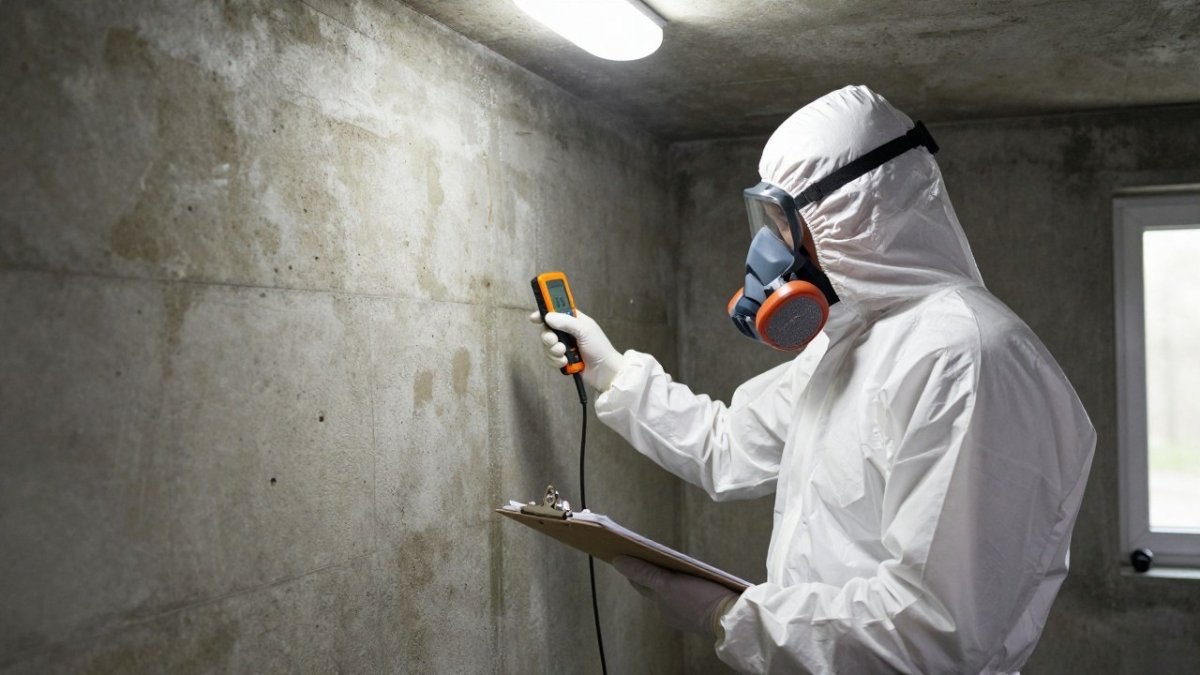
The stakes are real. Mold can spread through drywall, carpet, and HVAC systems within days of a water intrusion, and a job that only wipes visible spots leaves spores behind. Reliable specialists treat the source, not the stain.
Credentials That Actually Matter: IICRC Certification and Licensing
IICRC certification is a credential from the Institute of Inspection, Cleaning and Restoration Certification, an industry body that sets standards for mold remediation and water damage work. It matters because it signals the crew was trained to a recognized remediation protocol rather than learning on the job.
Ask for three things before you hire:
- Current IICRC certification for the technicians doing the work, not just the owner
- Proof of general liability insurance and workers’ compensation
- A written remediation protocol that names containment, HEPA filtration, and post-remediation verification
Verify credentials directly with the issuing body rather than trusting a logo on a truck.
The Step-by-Step Mold Inspection Process to Expect
A proper mold assessment follows a predictable sequence. Here is what a professional inspection should look like:
- Visual walkthrough of the affected area and adjacent rooms
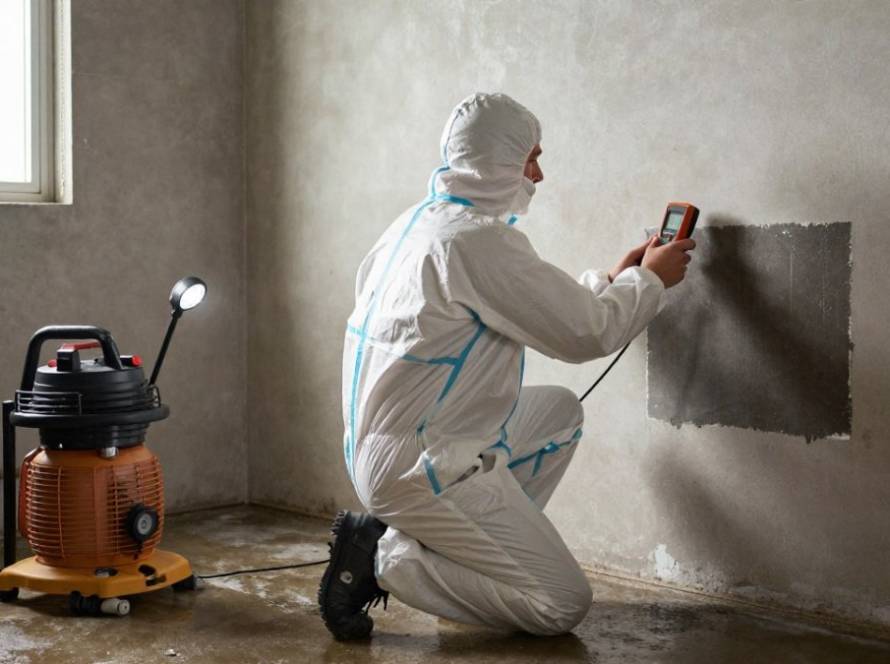
- Moisture mapping with meters and thermal imaging to find hidden water
- Air and surface sampling sent to an accredited lab
- Written scope listing affected materials and proposed removal methods
- Lab-verified report you can share with your insurer
If a company skips sampling or hands you a one-page quote with no scope, that is a warning sign. You can see how a documented workflow runs on our process page.
A proper mold assessment follows a predictable sequence you can check against any company’s proposal.
| Step | What to do |
|---|---|
| 1 | Visual walkthrough of affected area and adjacent rooms |
| 2 | Moisture mapping with meters and thermal imaging |
| 3 | Air and surface sampling sent to an accredited lab |
| 4 | Written scope listing affected materials and removal methods |
| 5 | Lab-verified report you can share with your insurer |
Most Reliable Mold Removal Specialists in Michigan Share These Traits
The most reliable mold removal specialists in Michigan share a set of habits you can spot in the first conversation. They explain the remediation protocol in plain words, they put the scope in writing, and they tell you what they will not do.
Look for these traits:
- They separate inspection from remediation. A company that inspects and then grades its own work needs a clear post-remediation verification step to stay honest.
- They talk about moisture control, not just mold. Removing mold without fixing the water source guarantees a return visit.
- They carry proper containment gear. Negative air pressure and HEPA filtration protect the rest of your home.
- They answer the phone and give a real timeline. Emergency response should mean hours, not weeks.
A common mistake is hiring the lowest bid without asking how they verify the job is finished. Clearance testing after remediation is what protects you six months later.
Reading Reliable Mold Removal Specialists in Michigan Reviews
Reviews for reliable mold removal specialists in Michigan are useful only when you read them the right way. Look past star ratings and search for patterns about punctuality, scope changes, and how the company handled insurance paperwork.
What to scan for:
- Repeated mentions of technicians arriving when promised
- Comments about clear explanations of the estimate
- Notes on whether the crew protected furniture and floors
- Complaints about surprise charges or vague scopes
One glowing review proves little. Ten reviews describing the same strength or the same failure is a pattern you can act on. Ask for two or three recent local references and call them.
Reliable Mold Removal Specialists in Michigan Cost: What Drives the Estimate
Reliable mold removal specialists in Michigan cost varies with the size of the affected area, the materials involved, and how much hidden moisture the inspection uncovers. Pricing depends on the specifics of each job. For current prices or a quote, contact Sentinel Restoration directly.
A written mold remediation estimate can be broken into several cost categories. Ask every company you interview to price each one separately:
- Assessment and testing, visual inspection, moisture mapping, and air or surface samples sent to an accredited lab. Sampling is a pass-through cost, so it should appear as its own line.
- Containment and engineering controls, poly sheeting, negative air pressure, and HEPA air scrubbers sized to the affected volume. A bid that omits containment is not a comparable bid.
- Removal and disposal, labor plus bagged, sealed debris hauling. Porous materials like drywall, carpet, and insulation usually cannot be cleaned and must be removed.
- Cleaning and treatment, HEPA vacuuming of surfaces and structural cavities, plus application of an antimicrobial or encapsulant where the protocol calls for it.
What Actually Moves the Number
The main cost drivers:
- Affected area size and how many rooms are involved
- Material type: porous materials like drywall and carpet usually must be removed
- Access difficulty in crawl spaces, attics, and HVAC systems
- Testing and clearance through an accredited lab
When you compare estimates, confirm both bids assume the same access conditions and the same rebuild responsibility.
Insurance Claims and Estimate Comparisons
Most homeowners’ insurance policies cover mold that results from a sudden, covered water event, but exclusions vary widely by policy.
The key is documentation: lab reports, moisture readings, and photos taken before work begins. A claim adjuster will want to see the cause of loss, the affected area, and the proposed scope.
When comparing estimates, line up the same items side by side: containment, removal square footage, HEPA filtration, testing, and rebuild. If you are unsure what your policy covers, our guide on whether insurance pays for water restoration walks through the claim process.
A practical sequence that most adjusters respond well to:
- Stop the water source and document the damage with photos before anything is moved.
- Get the inspection and lab results in writing.
- Submit the scope and photos with your claim, and keep every receipt.
- Do not authorize demolition beyond what the scope describes until the adjuster has seen it.
For a detailed breakdown of restoration pricing after a leak, read our water damage restoration cost guide.
Finding Mold Remediation Near Me in Southeast Michigan
Searching for mold remediation near me in Southeast Michigan should return companies that actually serve your county, not national call centers that subcontract. Brighton and the surrounding communities are served by Sentinel Restoration; confirm the crew can reach you quickly.
Ask two questions:
- Which zip codes do you cover, and how fast can you be on site?
- Do you handle both water damage restoration and mold remediation in-house?
A company that does both avoids the gap where one contractor blames the other.
DIY vs. Professional Mold Removal: Where the Line Sits
Small surface mold on a bathroom tile joint is often a cleaning job. Mold covering more than a small patch, mold inside walls, or mold after a flood is not. The line sits at porous materials, hidden moisture, and any area larger than a couple of square feet. But the more useful question is not size alone, it is whether the mold is on a surface you can reach and dry, or inside a building assembly you cannot.
The Three Tests That Decide It
Run every mold problem through these three questions before you pick up a spray bottle:
- Is the material non-porous? Glazed tile, glass, metal, and sealed countertops can be cleaned and dried. Drywall paper, ceiling tile, carpet, upholstery, and insulation absorb spores and cannot be reliably cleaned, they have to come out, and that is a remediation scope.
- Is the moisture source fixed? If you have not found and stopped the water feeding the mold, cleaning the visible growth only buys time. Mold returns wherever moisture remains.
- Is the affected area small and contained? A patch you can cover with a dinner plate on a hard surface is a reasonable DIY candidate. Anything larger, or anything that keeps reappearing after cleaning, points to hidden growth.
When DIY Is Reasonable
A homeowner can usually handle mold on a hard, non-porous surface in a small area when the moisture source is already resolved, a shower grout line, a windowsill after a one-time condensation event, or a small spot on a painted concrete floor that has since dried. The work is limited to cleaning the surface, drying the area thoroughly, and confirming the moisture reading stays low.
Call a Professional When
Call a professional when:
- Mold follows a leak, flood, or sewage backup
- You smell a musty odor but cannot see the source
- Anyone in the home has asthma or a weakened immune system
- The mold is in HVAC ductwork or behind drywall
Disturbing mold in a wall cavity or HVAC system without containment can spread spores through the rest of the home.
Why the Threshold Matters for Your Wallet
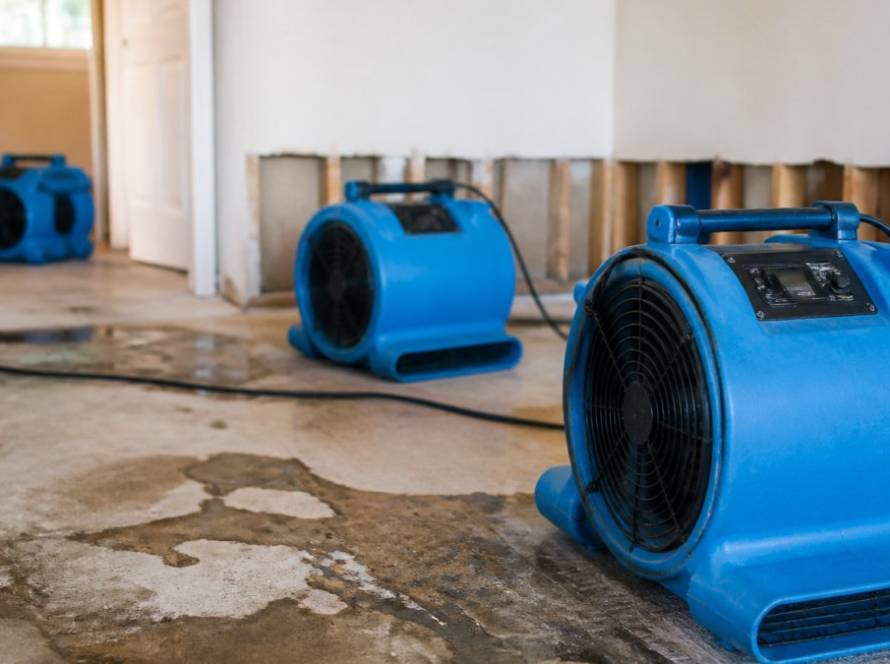
DIY is cheap when it works and expensive when it fails, because a failed cleaning attempt often means the mold has spread into materials that now must be removed. If you are still in the first hours after a leak, follow the immediate steps in our guide on what to do after water damage before mold has a chance to establish, drying fast is the cheapest mold remediation there is.
Requesting an Inspection from Sentinel Restoration
One simple next step settles the question: get a documented inspection. Review our full list of services, then book an inspection and get a clear, documented plan for your property.
Mold problems get worse with every damp day you wait. Sentinel Restoration brings IICRC-certified technicians, advanced moisture detection, and a documented remediation protocol to every job, so the fix holds and your property returns to its pre-loss condition.
Frequently Asked Questions
What should I look for when choosing mold removal specialists?
Check for IICRC certification and liability insurance before you hire. Ask whether they perform post-remediation verification with lab-verified reports, since that proves the mold spores are actually gone rather than just painted over. Request a written remediation protocol and a scope of work that names containment, HEPA filtration, and dehumidification. Reliable mold removal specialists will also explain how they handle both the moisture source and the fungal contamination, because removing mold without fixing the moisture control problem invites it back.
How much do reliable mold removal specialists in Michigan cost?
Pricing depends on the size of the affected area, how far the mold has spread, whether water damage restoration is also needed, and whether the work is residential or commercial. Small surface outbreaks cost far less than crawl space encapsulation or HVAC mold cleanup. Because no two jobs are identical, ask for a written estimate broken down by labor, containment, disposal, and verification testing. For current prices or a quote, contact Sentinel Restoration directly.
Are mold remediation companies legit, and how do I verify one?
Most are, but verification is on you. Ask for the company’s insurance certificate, confirm IICRC certification for the technicians who will actually be on site, and check that the business name matches the one on the estimate and the contract. Read recent reliable mold removal specialists in Michigan reviews for patterns, not single complaints. A legitimate company will not pressure you to sign on the spot, will put the remediation protocol in writing, and will offer post-remediation verification instead of declaring the job done by eye.
How do I know whether mold remediation was completed properly?
Proper completion means post-remediation verification, not a visual check. That typically involves surface sampling and air quality testing after the work area has been cleaned and dried, with lab-verified reports comparing indoor spore counts to an outdoor baseline. Ask for those results in writing. Also confirm the moisture source was corrected, since mold prevention depends on moisture control. If a contractor cannot show you clearance documentation and a drying record, treat the job as unfinished.