


Table of Contents
- Water Damage Restoration Cost After a Leak: What Drives the Bill
- Cost to Repair Water Damage From a Leaking Pipe vs. Other Leak Sources
- What a Water Damage Restoration Estimate Should Include
- Homeowners Insurance Water Damage Coverage: Deductibles, Exclusions, and Claims
- Water Damage Restoration Timeline: From Emergency Call to Final Walkthrough
- How to Keep Water Damage Restoration Cost From Spiraling
- Frequently Asked Questions
Last Updated: October 8, 2026
Water Damage Restoration Cost After a Leak: What Drives the Bill
The final water damage restoration cost after a leak depends on five main things: how much water escaped, how long it sat, what materials it touched, and how much has to be torn out and rebuilt. This guide from Sentinel Restoration walks through each one, so you can read an estimate with confidence instead of guesswork.
Here is the honest part most guides skip. There is no single price for water damage repair.
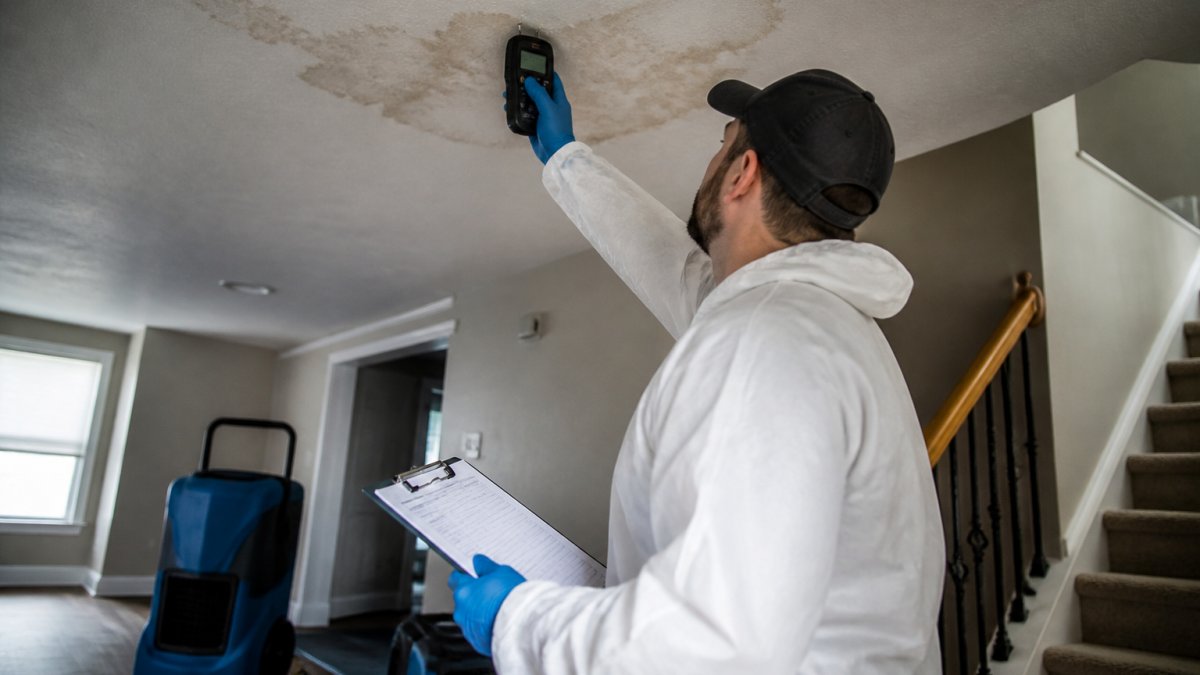
Water damage restoration is the process of removing water, drying the structure, and repairing what the moisture ruined. Pricing reflects labor, equipment, materials, and how far the damage spread.
Why No Two Leak Restoration Bills Look the Same
Two homes can have the same leak and wildly different bills. The difference usually comes down to timing and reach.
A small leak caught in a day may only need extraction and drying. A leak that ran for weeks can soak drywall, warp flooring, and feed mold behind the walls. That hidden damage is where costs climb fast.
The biggest cost factors:
- Affected area in square feet
- Water category (clean, gray, or black water)
- How long the moisture sat
- Materials involved (drywall, flooring, baseboards, insulation)
Waiting to call a pro is the most expensive decision you can make. Moisture you cannot see keeps spreading, and mold can start within a day or two in warm, damp conditions. A small leak becomes a large-scale damage claim.
Cost to Repair Water Damage From a Leaking Pipe vs. Other Leak Sources
The source of the leak changes the scope, and the scope changes the price. A supply-line pipe leak usually releases clean water. A roof leak often drags in debris and attic insulation. A shower leak hides behind tile and seeps into the floor below.
Roof Leaks, Shower Leaks, and Burst Pipes: How Source Changes the Scope
Each source hits different materials, so each one carries a different repair path.
| Leak Source | Typical Affected Area | Common Repairs Needed | Cost Driver |
|---|---|---|---|
| Burst pipe | Walls, floors, ceilings | Extraction, drywall, flooring | Volume of water released |
| Roof leak | Attic, ceilings, insulation | Insulation, ceiling drywall | Hidden attic moisture |
| Shower leak | Bathroom floor, subfloor | Tile, subfloor, baseboards | Access behind tile |
| Appliance leak | Kitchen or laundry floor | Flooring, cabinets, baseboards | Cabinet and flooring replacement |
A burst pipe can dump water fast, but if you shut it off quickly, the damage may stay contained. A roof leak is sneakier.
The cost to repair water damage from a leaking pipe often lands lower than roof or shower leaks because pipe leaks usually release clean water and are easier to trace.
Find the source before you call anyone. Shutting off the water and pointing the crew to the exact leak saves inspection time and keeps the job focused on the real damage zone.
What a Water Damage Restoration Estimate Should Include
A trustworthy water damage restoration estimate is itemized, not a single lump number. If a quote is one line with no detail, ask for a breakdown before you sign anything. The reason itemization matters is simple: each stage of the job carries its own labor, equipment, and material costs, and lumping them together hides where the money is actually going.
Line Items to Check Before You Sign
Use this checklist when you review any contractor quote:
- Moisture inspection and leak detection findings
- Water extraction and removal scope
- Drying and dehumidification equipment (type and number of units)
- Demolition of damaged materials (drywall, flooring, baseboards)
Itemized Cost Breakdown by Restoration Stage
Most estimates bundle these stages, but a fair quote separates them. Here is what each stage typically covers and what drives its cost:
| Restoration Stage | What It Covers | Primary Cost Drivers |
|---|---|---|
| Inspection and leak detection | Moisture mapping, thermal imaging, written scope | Number of rooms probed, accessibility of the leak |
| Water extraction | Pumps, wet vacuums, standing-water removal | Volume of water, distance to disposal point |
| Drying and dehumidification | Air movers, dehumidifiers, daily monitoring | Square footage, number of units, days of runtime |
| Demolition | Removal of wet drywall, flooring, baseboards, insulation | How much material is saturated beyond saving |
| Mold remediation | Containment, HEPA filtration, antimicrobial treatment | Whether mold is present and how far it spread |
| Rebuild and repair | New drywall, paint, flooring, trim, cabinetry | Material grade, matching existing finishes |
A few patterns are worth knowing. Drying is usually billed by equipment-day, so a job that dries in three days costs less to run than one that takes a week, even if the square footage is identical.
This itemized cost breakdown by restoration stage is where good and bad estimates separate. A fair quote shows you the drying stage, the demolition stage, and the rebuild stage as separate lines, so you can compare contractors apples to apples instead of guessing why one total is higher.
Questions to Ask About Any Line Item
- Is the drying equipment charge per unit per day, or a flat fee?
- Does demolition include haul-away and disposal, or is that billed separately?
- Is mold remediation included, or is it a change order if mold is found?
- Does the rebuild price match your existing finishes, or is it a builder-grade substitute?
At Sentinel Restoration, our IICRC-certified team documents each stage with moisture readings. That record also supports your insurance claim.
Ask for the estimate in writing with each stage listed separately. A contractor who cannot break the job into stages is either guessing or hiding margin.
Homeowners Insurance Water Damage Coverage: Deductibles, Exclusions, and Claims
Most homeowners insurance water damage coverage pays for sudden, accidental leaks, but not for damage from neglect or long-term seepage. The claim outcome often depends on documentation, not just the policy. That distinction, sudden versus gradual, is the single biggest factor in whether a claim is approved or denied.
What Is Usually Covered vs. Excluded
- Covered: burst pipes, sudden appliance failures, accidental overflow, water heater rupture
- Often excluded: slow leaks you ignored, ground flooding, poor maintenance, sewer backup (unless endorsed)
- Your cost: the deductible, plus anything above your policy limit
A common pattern is that insurers treat a pipe that froze and burst overnight as sudden and accidental, while a supply line that dripped under a sink for months is treated as a maintenance failure. The physical damage can look identical. The difference is the timeline, and the timeline is what you have to prove.
How Your Deductible Changes the Math
Your deductible is the amount you pay before insurance kicks in. A higher deductible means a lower premium but more out of pocket when you file.
A practical rule: if the itemized repair estimate is close to your deductible, filing may not be worth the claim history. If the estimate is well above it, filing usually makes sense. Either way, get the itemized estimate first so you can compare it to the deductible before you decide.
Documentation That Gets Claims Approved
Adjusters approve what they can verify. Before any demolition, gather:
- Photos and video of standing water, stained ceilings, and warped floors
- Moisture meter and thermal imaging readings from the inspection
- The plumber’s or contractor’s written finding on the leak source and cause
- A dated written scope of work from the restoration company
- Receipts for any emergency mitigation you paid for out of pocket
The plumber’s written cause statement is often the most important document. It establishes whether the leak was sudden or gradual, which is the question the adjuster is really answering.
Exclusions and Out-of-Pocket Costs to Expect
Insurance pays for covered damage, but it does not pay for upgrades or code improvements. If your rebuild requires a code-required upgrade, such as a new pan under a water heater or updated supply lines, that portion is typically on you.
For official guidance on what policies typically cover, check the National Association of Insurance Commissioners homeowner resources. It explains how claims and exclusions work in plain terms.
Document everything before demolition. Photos, moisture readings, and a written scope give your adjuster the proof needed to approve the claim, and the plumber’s cause statement is what separates a covered sudden leak from a denied maintenance issue.
Water Damage Restoration Timeline: From Emergency Call to Final Walkthrough
A typical water damage restoration timeline runs from a few days for minor leaks to several weeks for major damage. The drying stage alone usually takes three to five days, and rebuild work adds more time on top.
Here is how the process usually moves:
- Emergency call and inspection (same day): locate the leak, assess the affected area
- Water extraction (day one): pumps and vacuums pull standing water out
- Drying and dehumidification (3-5 days): air movers and dehumidifiers dry the structure
- Demolition (as needed): remove wet drywall, flooring, and baseboards
- Mold remediation (if present): treat and remove mold growth
- Rebuild and repair (varies): new drywall, paint, flooring, baseboards
- Final walkthrough: confirm moisture levels are back to normal
How Timeline Affects Total Cost
Every extra day of drying means more equipment running, and equipment time is a real line item. A job that dries in three days costs less to run than one that takes a week.
Delayed discovery is the silent budget killer. Water that sits for days spreads into more materials, which means more demolition and more rebuild. Catching a small leak early is the single best way to control the bill.
How to Keep Water Damage Restoration Cost From Spiraling
You control more of the final number than you think. Fast action and clear documentation do most of the work.
What actually keeps costs down:
- Shut off the water the moment you spot a leak
- Call a pro early instead of waiting to see if it dries on its own
- Photograph everything before and during cleanup
- Get an itemized estimate and compare line items, not just totals
- Fix the leak source so it does not return and undo the repairs
One more thing worth knowing: repair versus replacement is a real decision. Drying and repairing a wet hardwood floor can cost less than ripping it out, but only if the moisture is caught early.
If you are weighing options, a professional inspection gives you the facts. Sentinel Restoration offers IICRC-certified assessments and a clear scope of work.
Frequently Asked Questions
Does homeowners insurance cover water restoration?
Most homeowners insurance policies cover sudden and accidental water damage, such as a burst pipe or appliance failure. Coverage typically includes water extraction, drying, and repairs to affected materials. However, gradual leaks, poor maintenance, and flooding from outside the home are usually excluded. Review your policy and document the damage with photos before filing a claim.
What factors affect the cost of water damage restoration after a leak?
The main cost factors are the size of the affected area, the water category (clean, gray, or black), how long the moisture sat before discovery, and the materials damaged. Drywall, hardwood, and cabinetry cost more to repair than concrete or tile. Labor rates, emergency response timing, and whether mold remediation is needed also raise the total. A written water damage restoration estimate should itemize each of these.
How long does restoration take after water damage?
A typical water damage restoration timeline runs 3 to 7 days for extraction and drying, plus additional time for repairs. Category 1 clean water in a small area may dry in 2 to 3 days. Category 3 contaminated water or large-scale damage can take 1 to 2 weeks for mitigation alone, with rebuild adding more. Delayed discovery extends the timeline and the cost.
Does homeowners insurance cover damage from a leaking pipe?
Yes, if the leak was sudden and accidental. A pipe that bursts and releases water is generally covered under homeowners insurance water damage coverage. A slow drip that went unnoticed for months is often classified as a maintenance issue and denied. Document when you first noticed the leak, take photos, and report it promptly to protect your claim.
Water damage never waits, and neither should your response. Sentinel Restoration brings IICRC-certified crews, advanced moisture detection, and a meticulous approach to every job, from emergency water extraction to full mold remediation and rebuild. We restore your property to its pre-loss condition and help you navigate the insurance claim along the way. Contact us to schedule your inspection and get a clear, itemized estimate.
