Last Updated: October 26, 2026
Quick Summary
To navigate insurance property claims, document all damage with timestamped photos and video before touching anything, then report the loss promptly to your insurer. Keep damaged items in place, save every receipt, and prepare a written inventory for the adjuster’s inspection.
- Photograph each room wide, medium, and close-up, and film a slow walkthrough with your phone light on.
- Never toss soaked carpet or ruined furniture before the adjuster has seen and documented it.
- Your checklist should include your policy number, a written list of damaged items, and receipts for emergency repairs.
- Actual cash value pays replacement cost minus depreciation, while replacement cost value pays today’s cost without depreciation.
- Most homeowners insurance claims take anywhere from a few weeks to several months, depending on damage severity and documentation quality.
Table of Contents
- Start Your Property Claims With Documentation and Immediate Damage Control
- Your Property Damage Insurance Claim Checklist Before You File
- Reading the Policy: Key Terms That Decide Your Payout
- Insurance Adjuster Inspection Tips: How to Prepare and What to Say
- How Long Does a Homeowners Insurance Claim Take?
- What to Do If an Insurance Claim Is Denied or Underpaid
- Bringing in a Restoration Contractor During Your Property Claims
- Contact Sentinel Restoration to Document and Rebuild After Damage
- Frequently Asked Questions
Start Your Property Claims With Documentation and Immediate Damage Control
Knowing how to navigate insurance property claims starts with one action: document everything before you touch anything. At Sentinel Restoration, we see this play out on every water, fire, and storm job. The homeowners who get paid fairly are the ones who built a clean record in the first hour.
Insurance property claims are formal requests asking your insurer to cover damage to your home or business under the terms of your policy. A strong claim rests on evidence, not memory.
Here is the hard truth: adjusters decide with photos, dates, and receipts. If you clean up first, you erase the proof they need.
Photograph and Video Everything Before You Touch It
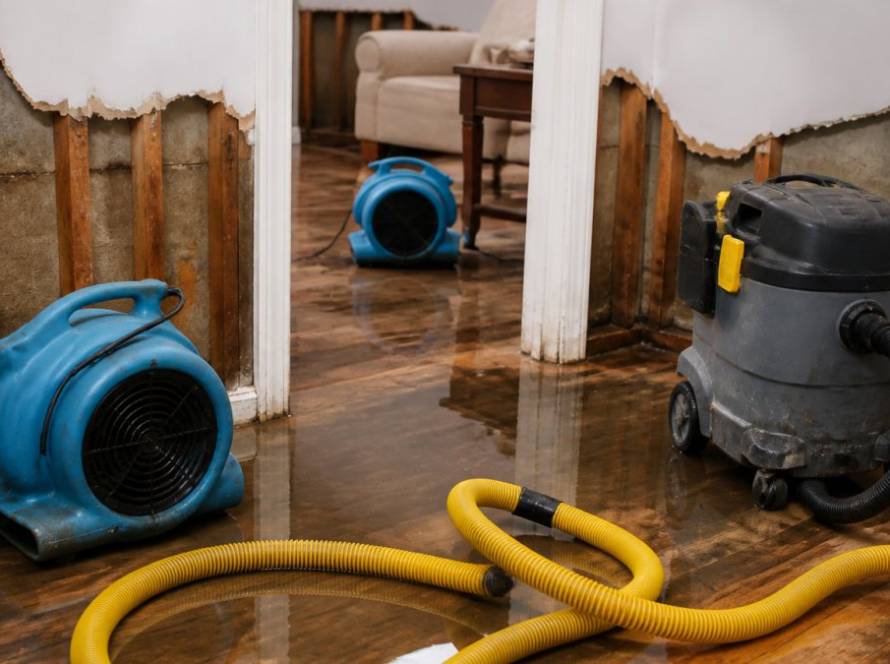
Take wide shots of each room, then close-ups of every damaged item. Film a slow walkthrough with your phone light on. Capture the water line on drywall, the burned outlet, the hail dents on siding.
- Shoot wide, medium, and close-up for each area
- Get timestamps on every file
- Photograph serial numbers on appliances
- Keep damaged items in place until you’ve documented them
A common mistake is tossing soaked carpet or ruined furniture before the adjuster sees it. That single decision can shrink your payout.
Stop the Damage Without Altering the Evidence
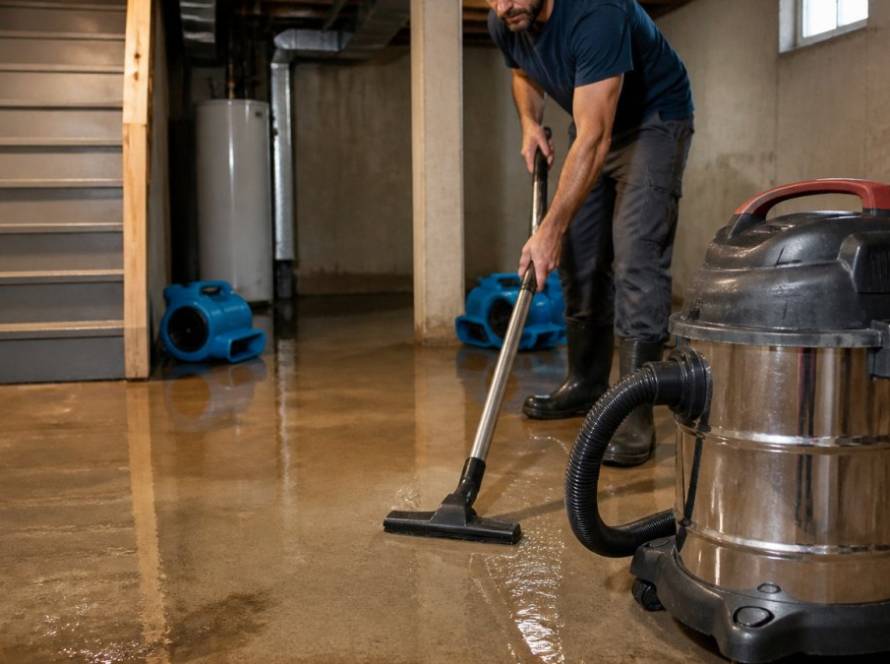
You have a duty to prevent further damage. That means shutting off water, tarping a roof, and moving valuables to dry ground. It does not mean demolishing walls or ripping out flooring.
Watch out: throwing away damaged property or making permanent repairs before inspection can cost you the evidence your claim depends on. Keep every receipt for emergency supplies and temporary fixes. For a fuller walkthrough of halting spread while protecting your proof, see how to stop water damage from spreading fast.
Your Property Damage Insurance Claim Checklist Before You File
A property damage insurance claim checklist keeps you from missing the details that slow a claim down. Work through it before you call your insurer.
- Policy number and declaration page in hand
- Photos and video of all damage, timestamped
- Written list of damaged items with age and value
- Receipts for emergency repairs and supplies
- Dates and times of the loss
- Police or fire report number, if relevant
- Contractor or restoration estimate
- Notes on any injuries or safety hazards
The Insurance Information Institute’s homeowner claim guidance recommends reporting losses promptly and keeping a detailed inventory. Speed matters, but accuracy matters more.
For a step-by-step action list covering the first hours after damage, follow what to do after water damage in your home.
Reading the Policy: Key Terms That Decide Your Payout
Your policy language controls the money. Three terms do most of the work.
- Deductible: the amount you pay out of pocket before coverage kicks in.
- Coverage limit: the maximum your insurer will pay for a covered loss.
- Actual cash value (ACV): pays replacement cost minus depreciation.
- Replacement cost value (RCV): pays what it costs to replace the item today, without depreciation.
The ACV versus RCV gap is where most disputes start. A ten-year-old roof on ACV coverage pays far less than a new one. Many policies also cap mold remediation at a set amount, so read the exclusions closely.
Unsure whether your policy covers the work ahead? Read does insurance pay for water restoration before you file.
These are the policy terms that most directly control what your claim pays out.
| Term | What it means |
|---|---|
| Deductible | Amount you pay out of pocket before coverage kicks in |
| Coverage limit | Maximum your insurer will pay for a covered loss |
| Actual cash value (ACV) | Pays replacement cost minus depreciation |
| Replacement cost value (RCV) | Pays today’s replacement cost, without depreciation |
Insurance Adjuster Inspection Tips: How to Prepare and What to Say
The best insurance adjuster inspection tips come down to preparation and honesty. Have your documentation ready, walk the adjuster through each damaged area, and stick to facts.
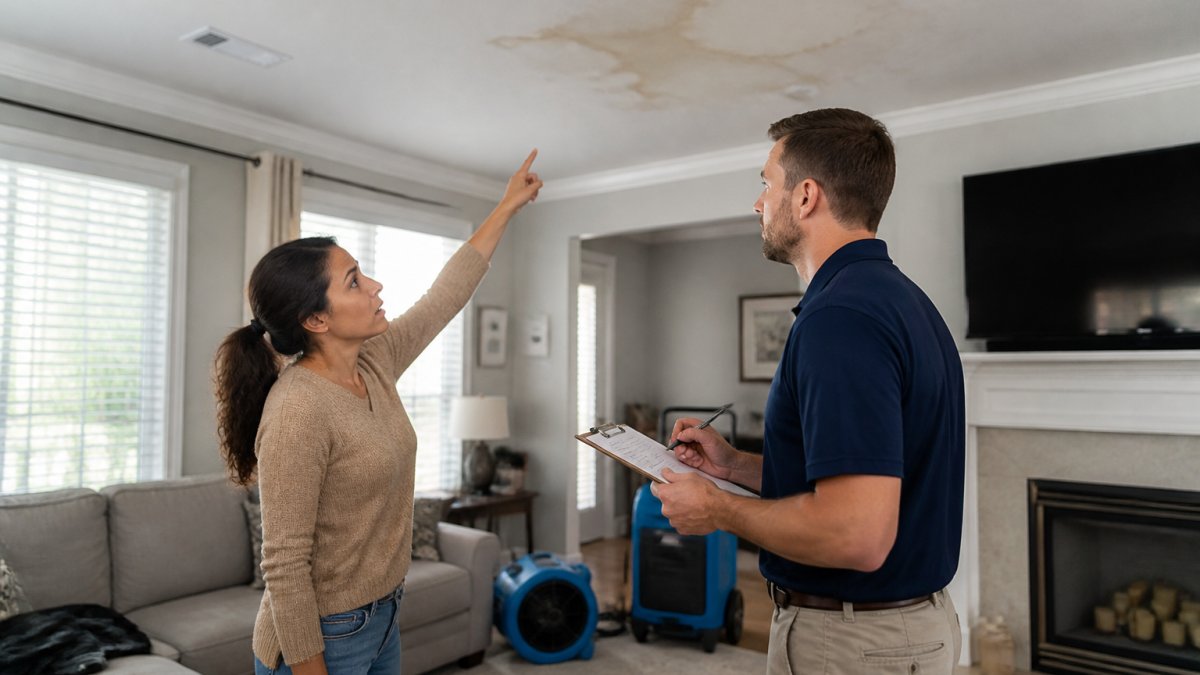
Point out damage the adjuster might miss. Do not exaggerate, and do not guess at causes. If you don’t know something, say so. Adjusters respond well to organized, calm homeowners.
- Keep a written log of every conversation and visit
- Ask what the next step is and when to expect it
- Get the adjuster’s name and contact info
- Never sign a release you don’t understand
An honest, prepared homeowner is far harder to lowball than a disorganized one.
How Long Does a Homeowners Insurance Claim Take?
Most homeowners insurance claims take anywhere from a few weeks to several months, depending on damage severity, documentation quality, and how quickly your adjuster responds. Simple claims move faster. Complex ones with disputes stretch out.
Here is what usually drives the timeline:
- How fast you report the loss
- Whether your documentation is complete
- Whether the adjuster needs a second inspection
- Whether the estimate is disputed
- Whether mold or structural issues surface later
Ask your adjuster for a written timeline. If weeks pass with no update, follow up in writing and keep a record. Patience is fine; silence is not.
What to Do If an Insurance Claim Is Denied or Underpaid
A denial is not the end. You have options, and using them in order protects your position.
First, request the denial in writing with the specific reason. Then compare that reason to your policy language. Often the gap is a missing document or a misread exclusion.
- File a formal appeal with your insurer
- Request a re-inspection with your contractor present
- Ask about the appraisal clause in your policy
- Contact your state’s insurance department if talks stall
The National Association of Insurance Commissioners consumer resources explain how to file a complaint with your state regulator. A documented paper trail strengthens every appeal.
Bringing in a Restoration Contractor During Your Property Claims
A certified restoration contractor can carry much of the claim burden for you. We document damage, write scope-of-work estimates, and speak the adjuster’s language. That takes weight off your shoulders.
At Sentinel Restoration, our IICRC-certified team handles water, fire, mold, and storm recovery under one roof. We use advanced moisture detection to find hidden damage before it spreads. You can see our process before you commit to anything.
Watch out: hiring a contractor who promises to “handle everything” without written estimates or proof of certification can put your claim at risk. Ask for credentials and a clear scope.
Contact Sentinel Restoration to Document and Rebuild After Damage
The claims process is stressful, but you don’t have to face it alone. Sentinel Restoration is IICRC-certified, licensed, and built on doing the right thing for every property owner. We document damage thoroughly, work directly with your adjuster, and restore your property to its pre-loss condition. Learn more about us and how we approach every job.
Frequently Asked Questions
What should I do first after property damage?
Make sure everyone is safe, then stop the damage from spreading without throwing anything away. Photograph and video every affected room, wall, and item before cleanup begins, and keep receipts for emergency repairs like a tarp or a hotel stay. Call your insurer to open the property claims file the same day, and note the claim number and your adjuster’s contact information. Prompt documentation protects your payout later.
Can I hire a restoration contractor before the insurance adjuster inspects the damage?
Yes. You can bring in a restoration contractor to stop active damage, such as extracting water or boarding up a roof, before the adjuster arrives. Keep the work limited to emergency mitigation until the inspection is complete, and save every invoice and photo. A contractor who documents moisture readings and damaged materials gives your adjuster a clearer picture and supports your property claims file.
What documents do I need for a property insurance claim?
Gather your policy number, photos and video of the damage, a room-by-room inventory of damaged items with purchase dates and values where possible, receipts for emergency repairs and temporary housing, and any contractor estimates. Keep a written log of every call with your insurer, including dates and names. This paperwork is the core of your property damage insurance claim checklist and speeds up the review.
What should I do if my property insurance claim is denied or underpaid?
Read the denial letter carefully and note the stated reason, then request a written explanation and a copy of the adjuster’s report. Compare the estimate against your own photos and contractor quotes, and submit a written appeal with the missing evidence. If the dispute continues, ask about the appraisal clause in your policy or contact your state insurance department for guidance on next steps.
Filing a claim while your home is still wet or damaged is a race against time. Sentinel Restoration brings IICRC-certified crews, advanced moisture detection, and decades of expertise to document the damage and rebuild it right. Get started with Sentinel Restoration and take the guesswork out of your property claim.