Last Updated: November 5, 2026
Quick Summary
To speed up property restoration, stop the water at its source, shut off power to affected rooms, and call your insurer and a restoration team within the first hour. Then document all damage, extract standing water, and start drying with fans and dehumidifiers within the first 24 hours.
- Never enter standing water near live power, sagging ceilings, or a gas smell.
- Open a claim file with your insurer the same day damage occurs.
- Photograph and video every affected room before cleanup or disposal begins.
- Remove wet carpet and padding that cannot be saved to speed drying.
- Ask your contractor for IICRC certification and a written scope of work.
Table of Contents
- What to Do After Property Damage: The First 24 Hours
- How Long Does Home Restoration Take?
- The Water Damage Restoration Process, Step by Step
- Documenting Damage and Coordinating Your Insurance Claim
- Choosing and Coordinating a Restoration Contractor
- Water Damage House Repair Costs and How to Avoid Preventable Expense
- Restoration Scenarios Beyond Water: Fire, Storm, and Mold
- Request Emergency Property Restoration Service
- Frequently Asked Questions
What to Do After Property Damage: The First 24 Hours
Water damage restoration is the process of removing water, drying the structure, and returning a property to its pre-loss condition.
Here’s the hard truth most guides skip: the first 24 hours matter more than the next 24 days.
Most guides tell you to act fast but never tell you what to do first, second, and third. The timeline below does.
Hour 0-1: Safety Triage and Stopping the Source
Before you touch anything, decide whether you should be inside at all. Do not enter, and call for help from outside, if you see or suspect any of the following:
- Water touching outlets, wiring, or the electrical panel
- Sagging ceilings or bowed walls
- A gas smell or hissing sound
Watch out: never wade into water near live power. Shock risk is real, and it is not worth the gamble. When in doubt, wait outside and let a pro assess the scene.
If the property is safe to enter, work in this order:
- Get everyone safe. Keep children and pets away from standing water and damaged areas.
- Shut off the power to affected rooms at the breaker, but only if you can reach it while dry. If the panel is wet or unreachable, leave it and call an electrician.
- Stop the water at the source. Find the main shutoff valve and close it. If a pipe burst, that single step can save your floors.
- Call your insurer and open a claim file the same day. Ask what documentation they want before you move anything.
- Call a restoration team for emergency service. Ask for an estimated arrival time and what services they provide.
Hour 1-6: Limit the Spread
The fastest way to slow damage is to cut off the water, then keep it from spreading. Roll up rugs, move furniture onto blocks or foil, and lift curtains off wet carpet. Open interior doors so air can move. If you can do it safely, follow our guide on how to stop water damage from spreading fast before help arrives.
Different damage sources need different first moves:
- Burst pipe or supply line: shut off the main valve, then open a low faucet to drain remaining pressure.
- Sewage backup: do not touch the water or track it into clean areas. Treat it as contaminated and wait for a qualified professional.
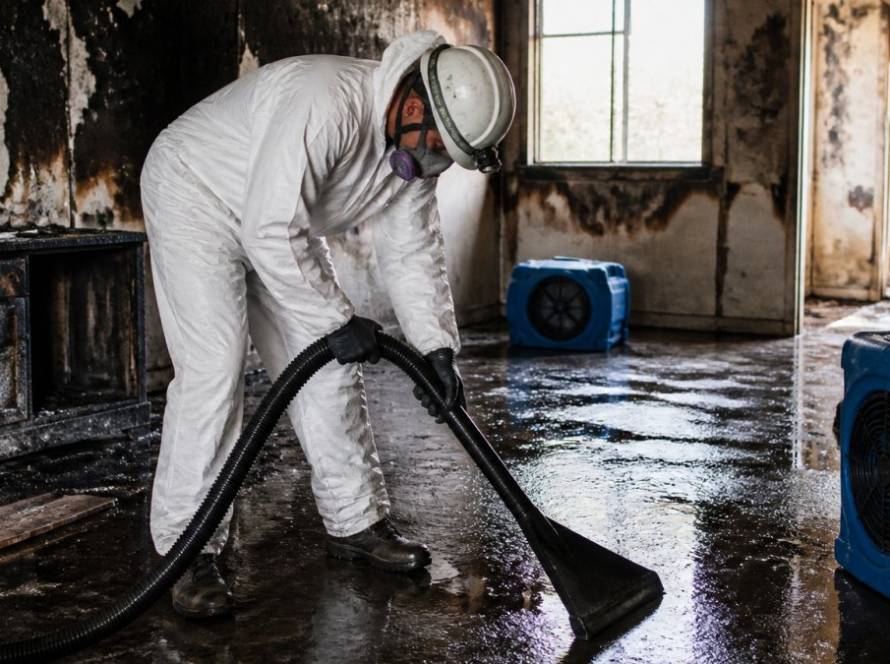
- Fire or smoke: do not re-enter until the fire department clears the structure. Once cleared, avoid touching soot-covered surfaces, residue etches and smears.
Hour 6-24: Document, Extract, and Start Drying
By now the source should be off and help should be on the way or on site. Use this window to:
- Photograph and video every affected room, the water line, and damaged items before cleanup.
- Move undamaged belongings out of the affected area or onto pallets.
- Remove wet carpet and padding that cannot be saved, they hold moisture and slow drying.
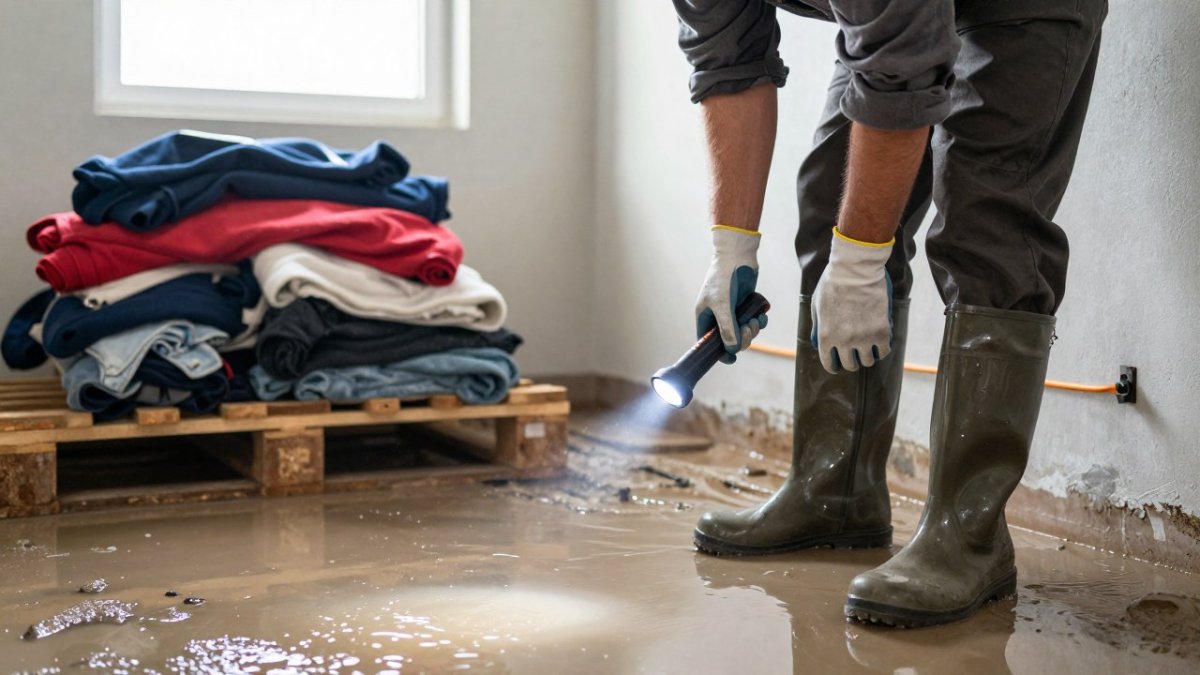
A common pattern is that homeowners spend the first day moving furniture and the second day calling for help. Reverse that order.
Treat this timeline as a priority order for the first day of damage.
| Time window | What to do |
|---|---|
| Hour 0-1 | Safety triage, shut off power, stop water at source |
| Hour 0-1 | Call your insurer and open a claim file |
| Hour 0-1 | Call a restoration team for emergency service |
| Hour 1-6 | Roll up rugs, move furniture onto blocks or foil |
| Hour 1-6 | Open interior doors so air can move |
| Hour 6-24 | Photograph and video every affected room and item |
| Hour 6-24 | Remove wet carpet and padding that cannot be saved |
| Hour 6-24 | Start air movement with fans and a dehumidifier |
How Long Does Home Restoration Take?
Most home restoration takes anywhere from a few days to several weeks, depending on the scope of the damage. Timelines vary by job, so ask for a project-specific estimate.
The timeline depends on a few things:
- How much water got in
- How long it sat before extraction
- What materials got wet (drywall and carpet soak up more than tile)
A common mistake is assuming the job is done when the floor feels dry. Hidden moisture inside walls and under floors can linger for weeks. That is why moisture readings matter more than touch.
The Water Damage Restoration Process, Step by Step
The water damage restoration process follows a set order: assess, extract, dry, and protect. Each step builds on the last. Skip one and the whole job gets slower.
- Damage assessment. A pro checks how far water traveled and where it hides.
- Water removal. Pumps and extractors pull standing water out fast.
- Drying. Air movers and dehumidifiers pull moisture from materials.
- Cleaning. Affected areas get cleaned and treated.
- Repair and rebuilding. Damaged materials are replaced and finished.
Extraction, Drying, and Dehumidification
Extraction comes first. Standing water has to go before air can do its job.
Then comes drying. Air movement alone won’t cut it. You need dehumidification too, because wet air has to go somewhere. Dehumidifiers pull moisture from the air while fans keep it moving across wet surfaces.
Moisture control is the goal. Professionals use moisture meters to track progress and confirm the structure is actually dry, not just dry to the touch.
Preventing Mold and Secondary Damage
Mold growth is the enemy of a fast recovery. It thrives in damp, dark spaces and can take hold quickly. Secondary damage, like warped floors or swollen cabinets, is often worse than the original water.
To hold it back:
- Keep air moving and humidity low
- Remove wet carpet and padding that can’t be saved
- Toss porous items that stayed wet too long
Watch out: painting or covering a damp wall traps moisture and feeds mold. Dry first, repair later.
Documenting Damage and Coordinating Your Insurance Claim
Good documentation is what gets your claim paid without delays. Most guides mention photos and receipts and stop there. The checklist below is what adjusters actually ask for, organized so you can build the file once and reuse it.
Build the Claim File Before Cleanup Begins
Start before you move or toss anything. Once damaged items are gone, you cannot document them.
- Photos and video: wide shots of each affected room, close-ups of the water line, damaged materials, and serial or model plates on appliances and electronics.
- Written inventory: item, approximate age, original cost if known, and condition before the loss. Group by room.
- Receipts: anything you buy because of the loss, fans, dehumidifiers, tarps, hotel stays, meals if your policy covers loss of use.
Talk to Your Adjuster With a Plan
Call your insurer the same day and ask three questions up front: what documentation they require, whether they have a preferred contractor network, and how they want to receive updates. Then:
- Confirm your deductible and whether mitigation and rebuild are separate line items.
- Ask whether you can choose your own contractor.
- Send photos and the inventory in batches with a short summary email so there is a written record.
If you’re unsure what your policy covers, read our guide on whether insurance pays for water restoration before you file. Many homeowners find the process easier when a restoration team helps document the damage.
Coordinate the Contractor and the Claim
The restoration team and the claim should move together, not in sequence. Ask your contractor to:
- Provide a written scope of work and a line-item estimate the adjuster can review.
- Photograph and moisture-map the damage before and after drying.
- Share daily progress notes and final moisture readings with you and the adjuster.
Watch out: do not authorize demolition or disposal of damaged materials until your adjuster has seen the documentation. Once it is hauled away, the evidence is gone and disputes get harder to resolve.
Choosing and Coordinating a Restoration Contractor
The right contractor speeds everything up. The wrong one costs you time and money. Here’s how to pick well:
- Check certification. Ask about IICRC certification and verify it.
- Confirm licensing and insurance. A legit crew carries both.
- Get a written scope of work. Vague estimates hide surprises.
Our tips on choosing a reliable contractor break down the questions to ask before you sign. One team that handles water, mold, and rebuild saves you from juggling multiple contractors and repeating the story each time.
Water Damage House Repair Costs and How to Avoid Preventable Expense
Water damage house repair costs vary widely. The final bill depends on how much water got in, what got ruined, and how long it sat. Pricing also depends on materials, square footage, and whether mold is involved.
We don’t quote flat prices, because no two jobs are the same. A small leak under a sink is a very different project from a flooded basement. For a full cost breakdown to help you budget, see our water damage restoration cost guide.
The best way to avoid extra expense is speed. Fast extraction and drying prevent the costly secondary damage that drives bills up. Delays are where budgets blow past estimates.
Restoration Scenarios Beyond Water: Fire, Storm, and Mold
Not every job is a flood.
Fire damage leaves behind smoke residue and water from firefighting. Both need handling.
Storm damage often means roof leaks, broken windows, and wind-driven rain. Boarding up and stopping the water come first, then drying and repairs.
Mold remediation is about more than wiping surfaces. It means finding the moisture source, fixing it, and removing mold safely.
Request Emergency Property Restoration Service
When damage hits, the fastest path back to normal is a call to a team that shows up ready. At Sentinel Restoration, our IICRC-certified team handles water damage, fire restoration, mold remediation, and storm recovery.
Our goal is to restore your property to its pre-loss condition. Don’t wait for damage to spread. Request emergency property restoration service and get help on the way.
Frequently Asked Questions
How long does home restoration take?
Timelines depend on the scope of the damage, the materials affected, and the repairs needed. Fire and storm restoration often take longer because of structural repairs and permitting. The biggest factors are how quickly water is extracted, how much moisture is trapped in walls and floors, and how fast your insurance claim is approved. Getting a professional assessment within the first 24 hours usually shortens the overall timeline.
What should I do first after property damage?
First, make sure the property is safe to enter. Shut off the water or power source if you can do so safely, then document everything with photos before moving anything. Call your insurance company to open a claim and contact a restoration contractor for an assessment. Avoid entering rooms with standing water near electrical outlets, sagging ceilings, or visible structural damage. Quick documentation and a fast professional assessment are the two things that most reliably speed up property restoration.
How do I coordinate restoration work with an insurance claim?
Give your adjuster a complete photo and video record, a written inventory of damaged items, and the contractor’s moisture readings and scope of work. Ask the contractor to document hidden damage, such as wet drywall or subfloor, since adjusters often revise estimates once that evidence is submitted. Keep every receipt for emergency expenses like hotel stays or equipment rental. A contractor experienced with insurance claims can help you understand the documentation involved.
Can I stay in my home during restoration?
It depends on the extent of the damage and the type of work. Small contained water damage in one room often allows you to stay, though you may need to avoid the work area. Fire damage, sewage contamination, or widespread mold usually makes the property unsafe until cleanup is complete. Ask your contractor for a clear answer after the damage assessment, and check whether your insurance policy covers temporary housing, since loss-of-use coverage often pays for it.
When water, fire, or mold hits your property, every hour counts. Sentinel Restoration brings IICRC-certified crews, advanced moisture detection, and decades of experience to stop the damage and rebuild safely. We handle water damage, fire restoration, mold remediation, and storm recovery under one roof, so you’re not juggling contractors while your home sits wet. Get started with Sentinel Restoration and get your property back to its pre-loss condition.